What to check before arranging a desert buggy hire
Booking a desert buggy is less complicated than it first looks, but a few details make the difference between a smooth outing and a wasted morning. The best approach is to read the agreement carefully, compare what is included, and be honest about driving experience. A buggy is not a usual city car. It is an off road vehicle with different controls, a lower margin for error, and a route that can change with conditions.
Start with the driving rules and who can drive
Before paying attention to the vehicle itself, check who is allowed to drive. Age limits, licence requirements, and experience rules vary by operator and by the type of buggy. A visitor may assume that a normal driving licence is enough, then discover that a particular model needs prior off road experience or that a passenger cannot take the wheel at all. If the group includes young drivers, ask for the rule in plain terms before making plans around them.
It is also worth checking whether more than one driver can be added to the booking. If two people want to share the drive, the agreement should say who is insured while driving and whether an extra driver must be present at pickup. This avoids awkward decisions later, especially when everyone is dressed for the desert and eager to leave.
Read the rental agreement before the exciting parts
The rental agreement is where the practical limits live. Look for the length of the hire period, the agreed pickup and return time, what happens if the vehicle is late, and which charges apply to damage or missing parts. A clear agreement should also state what is covered, what is excluded, and how the deposit is handled. If a term is unclear, ask for it to be explained before signing rather than after a problem appears.
Pay close attention to the security deposit. Check the amount, when it is taken, when it is released, and what kinds of damage can lead to a deduction. A deposit is not a fee, but it can hold funds for a period, so it helps to know the process in advance. Ask whether minor marks from normal off road use are treated differently from broken parts or careless driving. The answer affects how carefully the vehicle should be handled and what to photograph at the start.

Check what is included in the price
A quote can look simple while hiding several add ons. Ask whether the hourly rate includes fuel, safety gear, guidance, entry permissions for the driving area, and any transport to the starting point. Some packages are built around a set drive time, while others include a wider desert experience. Those are not the same thing. A longer package may sound better, but only if the time is actually spent driving rather than waiting, briefing, or travelling.
Fuel policy matters too. Find out whether the buggy arrives ready to drive, whether fuel is included, and what happens if it is returned with less than expected. The aim is not to find a loophole. It is to avoid paying for something that was never explained. The same applies to mileage limit rules. Desert routes can cover more ground than expected, especially when the group follows a long track, so ask how distance is measured and what happens if the route runs longer.
When comparing buggy rental dubai options, look beyond the headline price and compare the same inclusions side by side. A lower quote may leave out items that a higher quote includes, and a package with fewer formalities can be better value if the driving time and route suit the group.
Inspect the equipment condition at pickup
The vehicle should be checked before leaving the starting area. This does not need to be a technical inspection. Walk around it and look for obvious damage, loose parts, flat or worn tyres, damaged mirrors, and signs that something is missing. Check that seats, seat belts, steering, and pedals feel secure before the engine is started. If a light or warning signal appears once the buggy is running, raise it straight away and do not treat it as a small detail.
Safety equipment deserves the same attention. Helmets should fit properly, straps should work, and gloves or goggles should be in usable shape if they are part of the booking. Dust and sand make eye protection more useful than many people expect. A buggy can throw up stones and grit, so a loose helmet or cracked goggles can spoil the drive and create a real risk.
Photographs are useful here, not because a dispute is expected, but because memories of condition fade quickly. Take clear images of the buggy from several angles before departure, including any existing scratches. If the operator records damage on a form, make sure the same details appear there. A written note is easier to rely on than a vague verbal agreement.

Understand insurance cover and responsibility
Insurance cover is one of the most important parts of the booking, and one of the easiest to skim past. Ask what the policy covers, what it does not cover, and who is responsible for the excess. Off road driving can involve damage from terrain, rollover, or contact with another vehicle. Some policies treat these events differently, so read the wording with care.
Also check whether cover applies to every named driver, every passenger, and the route being used. A policy may be valid only when the buggy stays within an approved area. If the plan involves a route outside that area, permission should be sorted out before driving. If a mechanical problem appears during the hire, stop in a safe place and contact the operator. Signs such as unusual noise, loss of power, steering trouble, or a warning light are not things to ignore or try to fix at the roadside.
Confirm the pickup location and route details
A pickup location can shape the whole outing. A meeting point that sounds easy to find may be awkward to reach without transport, and a distant start can eat into the driving time. Check where the booking begins, where it ends, and whether the return point is the same place. Ask about parking or arrival instructions so the group is not trying to coordinate at the last minute.
Route details matter just as much. A good operator should be able to explain the general area, the type of terrain, and any restrictions. Desert conditions can shift, and some tracks may be unsuitable after wind or heavy use. If a route is changed on the day, the reason should be clear. A responsible decision to avoid difficult ground is better than pushing ahead because the itinerary says so.
For a first desert drive, choose a route that matchesExperience rather than ambition. Flat tracks and open stretches give new drivers time to understand steering, braking, and the way the buggy reacts to sand. Steep dunes and tight turns demand more control. The right match keeps the drive enjoyable and lowers the chance of damage that could affect the deposit.
Ask about briefing, support, and communication
A short briefing should cover the controls, hand signals, stopping distance, what to do if the group separates, and what to avoid. It should be given in a language everyone understands. If the group includes people who are unsure about off road driving, the briefing should not be rushed. Clear communication before departure is far better than shouting instructions once everyone is on the sand.
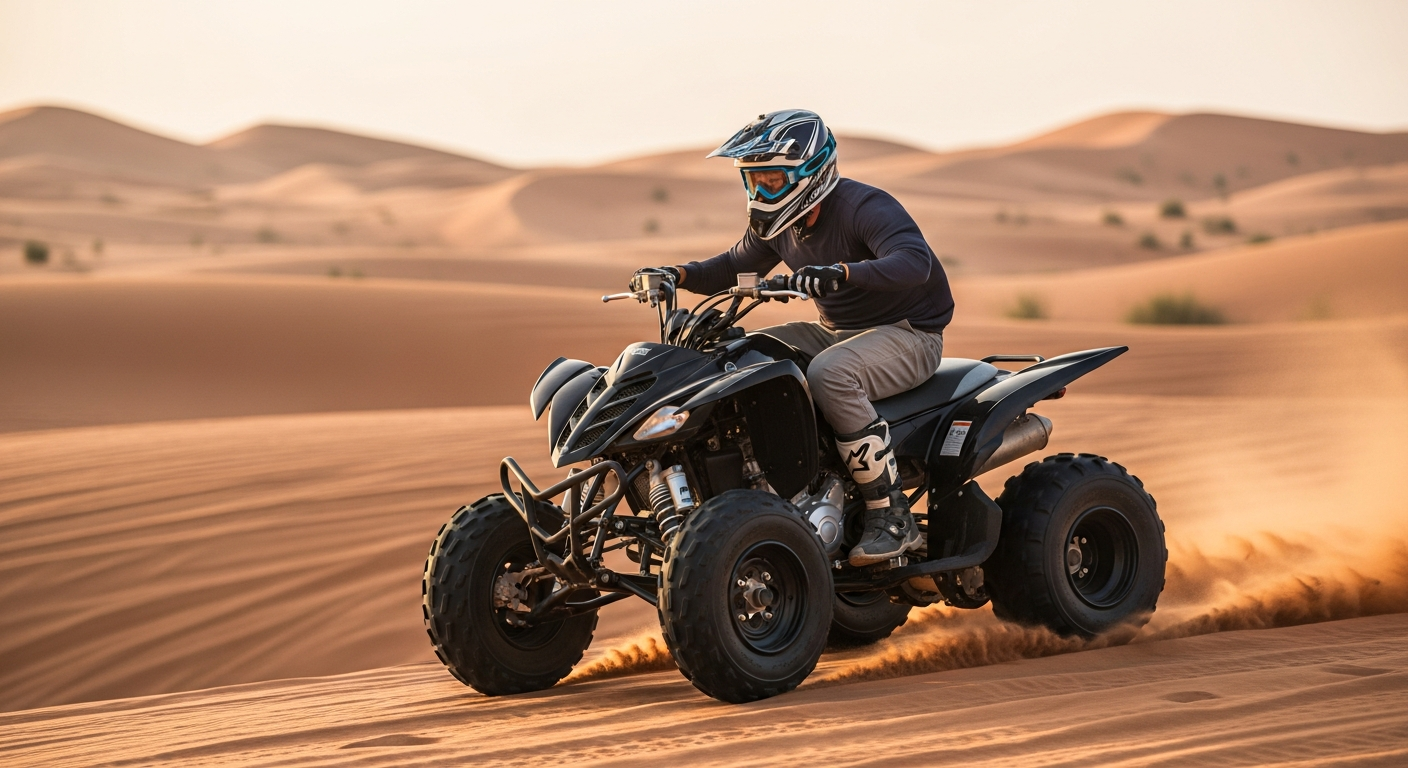
Support arrangements are also worth checking. Find out how the operator can be reached during the hire, what happens if the buggy stops, and whether another vehicle follows the route. This is not about expecting trouble. It is about knowing the plan if a tyre problem, navigation issue, or driving mistake interrupts the outing.
Finally, confirm the booking details in writing, including the date, duration, driver names, included items, and cancellation terms. A careful booking process may feel like admin, but it protects the day itself. When the practical points are settled early, the drive can be enjoyed for what it is: a chance to cross open desert terrain with clear rules, suitable equipment, and no surprises waiting in the small print.